How to Choose the Best Business Travel Suitcase for Your Needs?
Choosing the right business travel suitcase is crucial. Renowned travel expert, Sarah Mitchell, once said, “Your suitcase sets the tone for your trip.” This statement rings true, especially for frequent travelers. A great suitcase not only protects your belongings but also enhances your travel experience.
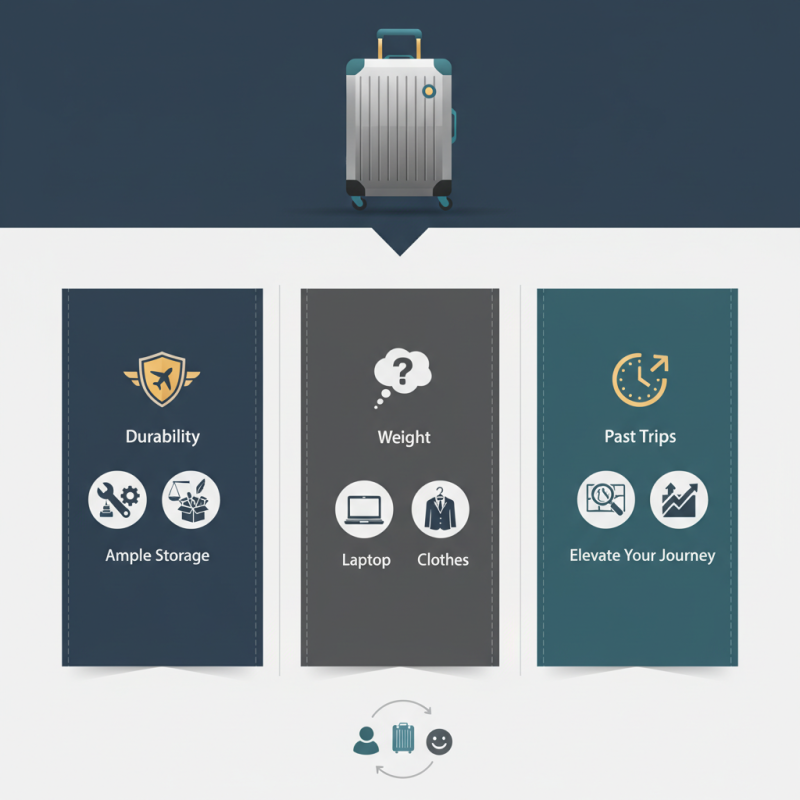
When selecting a business travel suitcase, you want practicality. Look for durability, weight, and ample storage. Pockets and compartments can make organization easy. However, not every suitcase fulfills these needs. Some are heavy, while others lack thoughtful design. This can lead to frustration at the airport.
Consider your travel habits. Do you often need to carry a laptop? Or perhaps you take formal clothes? The right suitcase should cater to these specifics. Reflecting on past trips can help. Ask yourself: what worked and what didn’t? Finding the perfect business travel suitcase requires time and effort, but the right choice can elevate your journey significantly.
Understanding the Importance of Choosing the Right Business Travel Suitcase
Choosing the right business travel suitcase is crucial. Studies show that 71% of business travelers feel their suitcase impacts their travel experience. A suitable suitcase can streamline your journey, making it more efficient and less stressful. Comfort and functionality should always be at the forefront of your selection process.
Features like durable wheels and a protective exterior are essential. A report from the Global Business Travel Association found that 58% of travelers prefer bags with 360-degree spinner wheels for easy maneuverability. Additionally, internal organization compartments can help you keep your belongings neat. Bags without these features may lead to chaos, especially during tight schedules.
Appearance and professional aesthetics matter as well. Over 45% of business travelers noted that their suitcase reflects their personal brand. When you arrive at meetings or conferences, a well-chosen suitcase makes a strong impression. It serves as a silent ambassador for your professionalism, yet many overlook this aspect. Thus, it’s vital to reassess your current suitcase situation, ensuring it aligns with your travel needs and professional image.
Identifying Your Travel Needs: Frequency, Duration, and Destination
When selecting a business travel suitcase, it's vital to identify your specific needs. Consider how often you travel for work. Are you on the road weekly or monthly? Frequent travelers may prefer a durable suitcase that withstands wear and tear. It should also be lightweight, making it easier to navigate crowded airports. A bag with spinner wheels can provide extra maneuverability, especially for business trips involving multiple stops.
Next, think about the duration of your trips. Are they short overnight stays or longer excursions? For brief travels, a carry-on size is ideal. It allows you to skip baggage claim, saving valuable time. However, for longer trips, a larger suitcase with expandable features might be beneficial. Always keep in mind the destination. Some locations may have strict size restrictions or diverse weather conditions. Tailoring your suitcase to your travel habits ensures you’re not overpacking or lugging around unnecessary items.
Many travelers overlook the importance of organization. Compartments for electronics, business documents, and clothing help streamline your packing. Yet, it’s easy to get it wrong. Remember those forgotten chargers or mismatched clothing items. Reflect on what works during your travels and what doesn’t. Learning from each trip will lead to better choices in the future.
Key Features to Look for in a Business Travel Suitcase
When selecting a business travel suitcase, consider its size and weight. A lightweight suitcase can save you from excess baggage fees. It’s crucial to select the right size to fit overhead compartments or under seats on flights. If it's too large, it may become a hassle when navigating crowded airports. Compact designs often work better for frequent travelers.
Look for organizational features within the suitcase. A well-designed interior with compartments helps keep clothing, electronics, and documents neatly arranged. Pockets for your laptop or tablet are essential for easy access. Also, durable materials are key. A suitcase that can withstand the rigors of travel will last longer. You might choose between hard-shell or soft-sided options based on your needs.
Consider security features too. TSA-approved locks provide peace of mind during transit. Reflect on your travel habits. Do you travel mostly by plane, train, or car? Your choice should align with these considerations. It’s easy to overlook the importance of reliable wheels and handles. Make sure they are sturdy and easy to maneuver, especially when you're in a rush.
Comparing Materials: Hard vs. Soft Shell Suitcases
When it comes to choosing a suitcase for business travel, the material matters. Hard shell suitcases often stand out for their durability and protection. These cases can withstand rough handling. They keep your belongings secure against impacts. However, they can be heavier and less flexible. If you pack too much, you may struggle to close them.
On the other hand, soft shell suitcases provide more flexibility. They can expand to accommodate extra items, like documents or a last-minute purchase. Soft materials may not protect against heavy impact as well. Yet, they are often lighter and easier to maneuver. You can squeeze them into tight spaces.
Consider your travel habits. Do you often check your luggage or carry it on? Evaluate the typical destinations you visit. If you're frequently on the go, a lightweight option might benefit you. Sometimes, the choice between hard and soft shell is influenced by personal preference. Reflect on past travels. What worked well? What didn’t? This process can guide your decision for future trips.
Choosing Between Hard and Soft Shell Suitcases
Evaluating Size and Weight Restrictions for Airline Travel Regulations
When choosing a business travel suitcase, understanding airline regulations is crucial. Different airlines have varying size and weight restrictions. Generally, a carry-on must be under 22 inches in height. However, this varies by carrier. It's wise to check the specific requirements before purchasing a suitcase.
Weight is another important factor. Most airlines limit carry-on bags to around 7 to 10 kilograms. This can be a challenge for many travelers. Selecting a lightweight suitcase can help prevent overload. Some business travelers tend to overpack. They often forget essential items and take unnecessary extras.
Think about the suitcase's durability and storage. It should withstand frequent travel. Look for compartments for organization. A well-structured suitcase makes packing easier. Realizing that you overstuff your bag can provide valuable insight. It’s all about finding a balance between size and functionality.