How to Choose the Best 9 Rubber Mixing Mill for Your Needs?
Choosing the right 9 Rubber Mixing Mill can be a daunting task, especially with so many options available. Industry expert John Smith, a veteran in rubber manufacturing, once noted, “Selecting the right equipment is crucial for efficient production.” His words resonate with many in the field, emphasizing the importance of making informed choices.
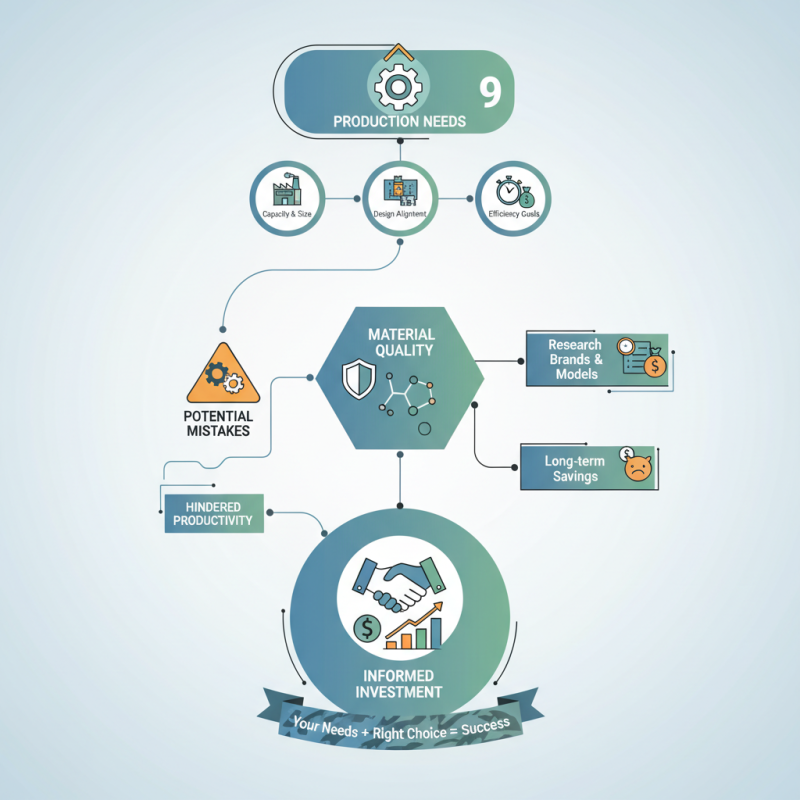
When considering a 9 Rubber Mixing Mill, several factors come into play. First, you need to assess your production needs. The capacity, size, and design of the mill should align with your goals. Additionally, the quality of materials used in the mill's construction can significantly affect its longevity and performance. Researching different brands and models can save time and money in the long run.
However, even with the best research, mistakes can happen. Choosing a mill that doesn't fit your needs can hinder productivity. It's essential to understand your specific requirements thoroughly. Taking the time to evaluate these factors will help ensure that your investment in a 9 Rubber Mixing Mill pays off.
Understanding the Different Types of Rubber Mixing Mills Available
When choosing a rubber mixing mill, it’s crucial to understand the types available. There are two main categories: open mills and internal mixers. Open mills are typically used for blending and refining. They allow for better visibility of the mixing process. This can be beneficial, but it also means more exposure to dust and heat. Internal mixers, on the other hand, offer efficient mixing in a closed environment. They generate high shear forces, ideal for creating a homogeneous mixture.
Each type has its advantages and drawbacks. Open mills may be less energy-efficient. They often require more space and can be harder to clean. Internal mixers, while effective, can be more expensive and complex. Considering your specific needs is vital. Are you mixing small batches or larger volumes? Do you prioritize speed or precision?
Maintenance is another aspect to reflect on. Some mills require regular lubrication and part replacements. This can impact your operational costs. You’ll want a machine that fits your workflow and budget. Choose carefully to avoid regrets later. The right mill can significantly enhance your production process.
Key Features to Consider When Selecting a Rubber Mixing Mill
When selecting a rubber mixing mill, several key features should be at the forefront of your decision-making process. The roller diameter is crucial. Larger rollers can enhance the mixing process, making it more efficient. The speed of the rollers matters too. A proper balance can yield better results. Consider the machine’s heating capabilities as well. Consistent temperature control can optimize the quality of the rubber compound.
Look at the overall construction of the mill. A robust design is essential for durability. Many models don’t hold up over time, resulting in costly repairs. Make sure to assess the safety features present on the mill. Emergency stops and protective covers are vital for safe operation. The size of the mill should also fit your workspace. A machine too big or small can hinder productivity.
Additionally, think about the user interface. Some mills offer complex controls that can confuse operators. Simpler interfaces often lead to better results. It's worth reflecting on the support and training available as well. Many users struggle without proper guidance. Choosing the right mill takes careful thought and consideration of these features.
Evaluating the Performance and Efficiency of Rubber Mixing Mills
When evaluating rubber mixing mills, performance and efficiency are crucial factors. Start by assessing the mill's capacity. A mill that handles large volumes can save time. However, if your needs are modest, a smaller unit may suffice. The mixing process is complex. Look for mills that ensure uniform dispersion of materials for optimal results. Variability in this aspect can lead to product inconsistencies.
Efficiency is another critical point. Examine the energy consumption of the mill. Higher efficiency means lower operational costs over time. It is important to analyze maintenance requirements as well. Frequent breakdowns can disrupt production. Look for mills designed for easy maintenance. This feature can significantly impact long-term reliability. Misjudgments in selecting a mill can lead to inefficiencies and costly downtime. Consider your specific needs carefully before investing.
Assessing Your Production Needs and Budget Constraints
When selecting a rubber mixing mill, it's crucial to assess your production needs and budget constraints carefully. Industry reports indicate that the global rubber mixing mill market is expected to grow at a rate of 5.2% annually. This highlights the increasing demand for efficient, cost-effective solutions. Understanding the volume of materials and types of rubber you will process is essential. Consider questions like: What are the peak production periods? What are your specific output requirements?
Budget constraints play a vital role in your decision-making. A report from Market Research Future states that effective cost management can improve profit margins by up to 15%. Implementing the right technology can lead to significant savings. Evaluate the total cost of ownership, including installation, maintenance, and operational expenses. While it may be tempting to choose the cheapest option, balance is key. Cheaper models may lack necessary features or durability, leading to hidden costs.
Be aware that production needs can evolve as your business grows. This may require future upgrades or adjustments. Not all models are easily scalable. Some mills may become obsolete or require costly modifications. Reflecting on these factors will aid in making a more informed choice. It's essential to weigh your immediate needs against your long-term goals.
How to Choose the Best 9 Rubber Mixing Mill for Your Needs?
| Model | Capacity (kg/hr) | Motor Power (kW) | Heating System | Price Range (USD) |
| Model A | 100 | 75 | Electric | $20,000 - $25,000 |
| Model B | 150 | 90 | Steam | $25,000 - $30,000 |
| Model C | 200 | 110 | Electric | $30,000 - $35,000 |
| Model D | 250 | 130 | Natural Gas | $35,000 - $40,000 |
| Model E | 300 | 150 | Electric | $40,000 - $45,000 |
| Model F | 350 | 160 | Steam | $45,000 - $50,000 |
| Model G | 400 | 180 | Natural Gas | $50,000 - $55,000 |
| Model H | 450 | 200 | Electric | $55,000 - $60,000 |
| Model I | 500 | 220 | Steam | $60,000 - $65,000 |
Top Brands and Models of Rubber Mixing Mills in the Market
When selecting a rubber mixing mill, understanding the available brands and models is crucial. Many options exist, with each offering unique features. Pay attention to the machine's capacity and performance. Some mills excel in high volume production, while others are perfect for smaller tasks. Size and compatibility with your existing setup must not be overlooked. A perfect fit does not only boost efficiency but reduces operational challenges too.
Top manufacturers commonly focus on durability. Their products often incorporate advanced technology to enhance mixing quality. However, reviews reveal that not all models meet expectations in real-world applications. Maintenance can become a burden if parts are hard to find. Some users have reported issues with wear over time, leading to unexpected downtime. Look for mills that offer robust warranties and readily available support.
Consider the ease of operation as well. User-friendly interfaces can significantly reduce training time for new operators. However, complexity in controls can lead to mistakes and inefficiencies. Finding a balance requires research and feedback from current users. Test runs or demonstrations may provide insight, but nothing beats real-world performance. Always reflect on your specific needs before making a choice.