How to Choose the Right Airport Fence for Your Needs?
Choosing the right airport fence is crucial for security and efficiency. According to the latest Security Fence Industry Report, over 70% of airports face security breaches due to inadequate fencing. This underscores the importance of selecting a robust airport fence system tailored to specific needs.
John Smith, an airport security expert, once stated, "The right fence is not just a barrier; it defines the airport's security landscape." His insights reflect the necessity of considering material, height, and durability when making a decision. Common options include chain-link and welded wire fences, each serving different security levels.
While many airports invest heavily in fencing, some may overlook maintenance. A neglected airport fence can compromise the very security it aims to provide. Understanding the unique requirements of your airport is essential. Ultimately, the airport fence should not just serve its purpose but also create a secure environment for travelers and staff alike.
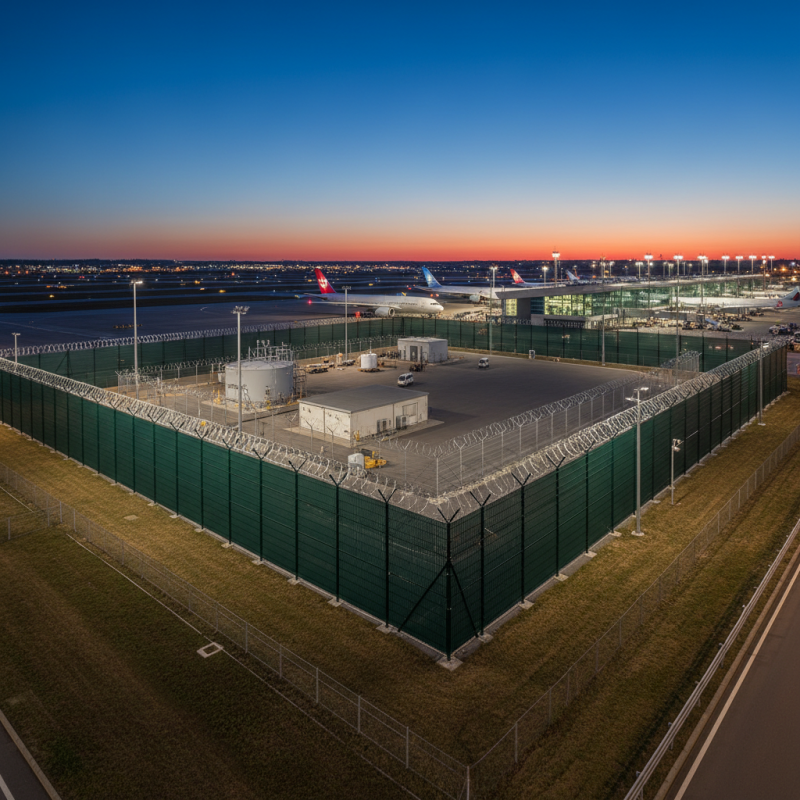
Understanding the Importance of Airport Fencing in Security and Safety
Airport fencing plays a crucial role in enhancing security and safety. It serves as the first line of defense against unauthorized access. A well-designed fence can deter potential threats and keep the airport environment secure.
Different materials used for fences impact their effectiveness. Chain link fences are common but not always sufficient alone. Adding barbed wire or electric fencing can increase security without being visually unappealing. Each airport has unique needs that must be considered. Factors such as location, budget, and the types of aircraft being handled require careful thought.
Regular maintenance of fences is also vital. Even the strongest fence can become ineffective if neglected. Inspecting for damages or weak spots ensures ongoing protection. Airports should continuously evaluate their fencing solutions. This vigilance fosters a safer environment for passengers and staff alike. Security is not merely about barriers; it requires attention and ongoing commitment.
Types of Airport Fences: An Overview of Materials and Designs
Airport fencing is crucial for security and safety. There are various materials and designs available to meet specific needs. Chain link fences are commonly used due to affordability and visibility. They provide basic security but may not deter determined intruders. Some studies show that over 40% of airport breaches occur through weak fences.
Another popular option is welded wire fencing. It offers more strength and durability compared to chain link. This type reduces the risk of unauthorized access significantly. Reports indicate that welded wire can lower breaches by up to 30%. However, aesthetic appeal is often lacking, which could deter some facilities from choosing it.
Electric fencing is increasingly used for increased security measures. It poses a serious deterrent without obstructing visibility. Yet, it requires regular maintenance to remain effective. This leads to concerns about long-term costs. Each type of fence has its pros and cons. Decision-makers must weigh security needs against budget and aesthetics for the best outcomes.
Evaluating Your Security Needs: Assessing Risks and Vulnerabilities
When assessing airport security needs, understanding risks and vulnerabilities is crucial. Security professionals often refer to the "Security Risk Management" standards as a guide. A report from the International Air Transport Association (IATA) suggests that approximately 20% of security breaches occur through unauthorized access points. Identifying these entry points can help direct your focus.
Conducting a thorough risk assessment is vital. Evaluate potential threats, such as unauthorized personnel and access to restricted areas. The United Nations Office on Drugs and Crime reported that 30% of security incidents in airports are related to perimeter breaches. It highlights the importance of a robust fence system to deter intrusion.
Incorporate physical deterrents into your planning. A fence can only be effective if it addresses specific vulnerabilities. Consider the types of terrain and visibility around the airport. For instance, poorly lit areas may become hotspots for breaches. Analyze case studies where faulty fencing led to compromised security. Reflection on past incidents can inform better decision-making. A proactive approach is essential to bolster overall airport security.
Evaluating Security Needs: Airport Fence Types Comparison
Key Features to Consider When Selecting an Airport Fence
When selecting an airport fence, several key features must be considered. Security is paramount. Look for options that provide high visibility and deter unauthorized access. A robust design can include materials that withstand various weather conditions. Strong, durable fences act as a deterrent against breaches. Choose a height that makes climbing difficult, ensuring enhanced protection.
Another feature to think about is maintenance. Some materials require more upkeep than others. An easy-to-maintain fence can save time and money. Balance durability with cost-effectiveness. Consider installation complexity as well. A more complicated installation may lead to higher labor costs. Simple designs may not always be the best solution.
Additionally, assess the aesthetic aspect of the fence. While functionality is essential, appearance matters too. A fence that blends with the environment can be more visually appealing. This might also help improve community relations. Think about how the fence can impact your operational space. Each choice should align with overall safety goals and visual standards.
How to Choose the Right Airport Fence for Your Needs? - Key Features to Consider When Selecting an Airport Fence
| Feature | Description | Importance |
| Material | Durable materials such as steel or aluminum are preferred for longevity and strength. | High |
| Height | Typical heights range from 8 to 12 feet to deter unauthorized access. | Critical |
| Visibility | Fencing with a see-through design increases surveillance capabilities. | Moderate |
| Barbed Wire | Addition of barbed wire or razor wire enhances security at the top of the fence. | High |
| Cost | Budget considerations will affect material choice and installation style. | Varies |
| Compliance | Must meet FAA regulations and local building codes concerning airport security. | Critical |
Budget Considerations: Weighing Cost Against Long-Term Investment
Selecting the right airport fence involves careful budgeting. Cost is a critical factor, but long-term investment is equally important. A recent report from the International Airport Council indicates that security infrastructure can significantly affect operational costs. While a cheaper fence may lower short-term expenses, it could lead to higher maintenance and replacement costs in the future.
When evaluating options, consider the materials and durability. Chain-link fences might be more affordable upfront, but they can wear down quickly in harsh environments. In contrast, heavier-duty options like welded wire or composite materials typically offer better longevity and security, which may justify a higher initial expenditure. It is crucial to balance immediate costs with potential long-term savings.
Tips: Assess your specific security needs. Estimate how much you can reasonably spend without sacrificing quality. Think about installation costs and maintenance requirements, as these factors add to overall expenses. Also, research local regulations and standards; compliance can incur additional costs but is necessary for facility approval.