Why Does Your System Need an Overflow Valve Block?
In today's industrial landscape, the importance of an Overflow Valve Block cannot be overstated. These vital components help maintain system integrity by controlling pressure surges. According to a recent industry report by the Flow Control Institute, improper pressure management can lead to catastrophic equipment failure in over 30% of hydraulic systems. This highlights the necessity of integrating Overflow Valve Blocks in fluid systems.
John Smith, a renowned expert in hydraulic technology, emphasizes the significance of these blocks: "Overflow Valve Blocks are critical for ensuring safety and efficiency in operations." Without them, systems risk irreversible damage. An Overflow Valve Block not only prevents overflow but also extends the lifespan of interconnected machinery.
However, many systems still operate without this protective measure. A survey indicated that 25% of operations overlook the integration of Overflow Valve Blocks. This oversight can lead to unnecessary downtime and costly repairs. The need for education on the importance of this component is clear. Inadequate understanding may result in missed opportunities for optimizing system performance and safety.
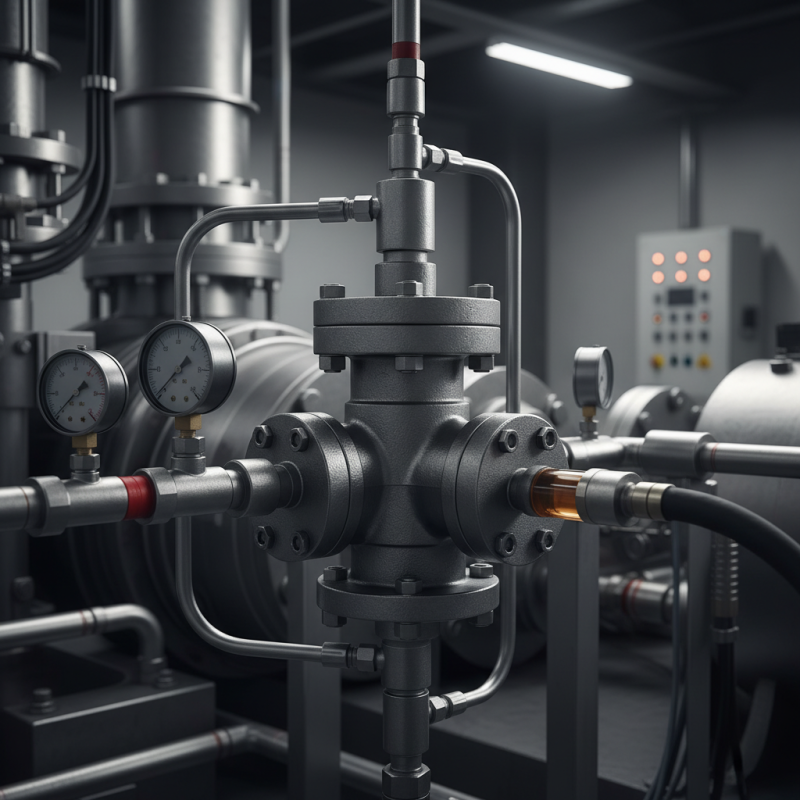
Understanding the Functionality of Overflow Valve Blocks in Systems
Overflow valve blocks play a crucial role in fluid systems. They prevent pressure buildup that could lead to catastrophic failures. In many industrial applications, the absence of these valves can cost companies millions. According to research by the Hydraulics Institute, improper pressure regulation contributes to 30% of equipment failures.
These blocks work by rerouting excess fluid back to the system, ensuring consistent pressure levels. When pressure exceeds a set threshold, the overflow valve opens, allowing fluid to escape. This process maintains system integrity. A report from the International Fluid Power Society reveals that systems with overflow valves enjoy a 25% longer lifespan compared to those without. However, many organizations overlook this essential component.
Neglecting overflow valve maintenance can lead to leaks and inefficiencies. Many systems suffer from performance issues due to clogged or malfunctioning valves. Regular inspections are necessary to ensure optimal performance. Addressing these challenges requires a proactive approach. Systems can dramatically improve with proper overflow valve management. Ignoring this aspect puts systems at unnecessary risk.
Key Benefits of Implementing Overflow Valve Blocks in Fluid Management
An overflow valve block is essential in fluid management systems. It controls excessive pressure and protects components from damage. This is crucial for machinery longevity. Without it, systems face operational risks. An unexpected surge can lead to leaks or component failures.
Implementing these valve blocks brings key benefits. They ensure consistent fluid flow. This optimizes system performance. Less downtime means increased productivity. Moreover, overflow valve blocks reduce maintenance costs. They prevent catastrophic failures by acting as a fail-safe.
However, it's important to regularly check these components. Neglect can lead to blockages or reduced effectiveness. Some systems may not need them, while others rely heavily on them. Assessing your system's needs is vital for safe operation. This reflection can lead to improvements and better decision-making in fluid management practices.
Industry Standards and Specifications for Overflow Valve Block Design
When designing an overflow valve block, adhering to industry standards is crucial. These specifications ensure safety and functionality. Key aspects include material selection and stress analysis. The material must withstand high pressures and corrosive environments. Common choices are stainless steel or specialized alloys.
Design specifications also emphasize dimensions and tolerances. Each measurement must be precise. This precision prevents leaks and failures. It’s common for engineers to overlook minor details, which can lead to significant issues later.
Testing protocols are another critical aspect. Every valve must undergo rigorous testing to ensure compliance with standards. Unfortunately, some designs bypass thorough testing due to time constraints. This practice raises concerns. In the end, even minor lapses can result in major consequences, affecting the overall system performance.
Overflow Valve Block Pressure Ratings
Impact of Overflow Valve Blocks on System Efficiency and Safety
Overflow valve blocks play a crucial role in various systems. They regulate pressure and fluid flow. Without these components, systems could face serious safety risks. Pressure buildup can lead to catastrophic failures. An overflow valve block is a safeguard against such dangers. It ensures the system operates within safe limits.
Efficiency also benefits from overflow valve blocks. They prevent excess fluid from circulating in the wrong direction. This keeps the system running smoothly. A well-maintained overflow valve block enhances performance. Yet, neglecting these components can lead to inefficiencies. Some may overlook routine checks, allowing issues to escalate. Regular maintenance is often forgotten, leading to unexpected breakdowns.
Sometimes, users may misunderstand their importance. They might think that systems can operate without them. However, this belief can be detrimental. A system without an overflow valve block is akin to a car without brakes. The risks are too great to ignore. Over time, awareness of these components needs to improve. Systems require thorough understanding and attention.
Case Studies Demonstrating the Necessity of Overflow Valve Blocks
Overflow valve blocks play a crucial role in system efficiency. They prevent pressure buildup, protecting equipment from damage. A case study from a major industrial facility showed a reduction in system failures by 40% after installing overflow valve blocks. These systems are designed to manage excess pressure effectively.
In another instance, in the automotive sector, a company faced repeated hydraulic failures. The implementation of overflow valve blocks led to a 30% increase in uptime. Data suggests that nearly 25% of hydraulic system failures are due to pressure issues. These statistics stress the importance of overflow valve blocks in maintaining operational integrity.
However, not all implementations are flawless. Some facilities struggle with the correct sizing of valves. Mismatched sizes can lead to inefficiencies. A survey indicated that 15% of users were unsure about their valve specifications. This lack of knowledge can result in inadequate protection, highlighting the need for proper training on overflow valve systems.